
Understanding the Online Art Valuation Steps and Process

Updated: Sep 2
When you own art, antiques, or collectibles, knowing their value is essential. Whether for sale, insurance, or simple curiosity, a clear valuation helps you make smart decisions. Today, the online art valuation steps make this easier and faster than ever. I want to guide you through this process, so you feel confident and informed.
What Are the Online Art Valuation Steps?
The online art valuation steps are designed to simplify how you get your artwork appraised. Here’s a practical breakdown:
Gather Information About Your Item
Start by collecting all details about your piece. This includes the artist’s name, the year it was made, the medium (oil, watercolor, sculpture), size, and any provenance or history you have.
Take Clear Photos
Good photos are crucial. Take pictures from different angles, including close-ups of signatures, labels, or any damage. Use natural light and a neutral background to show the true colors and condition.
Choose a Trusted Online Platform
Select a reliable online appraisal service. These platforms connect you with experts who specialize in your type of art or collectible.
Submit Your Information and Photos
Upload your details and images to the platform. Be honest and thorough to get the most accurate valuation.
Receive the Appraisal Report
After review, you will get a detailed report. This usually includes the estimated value, market trends, and any recommendations for sale or insurance.
Ask Questions if Needed
Good platforms allow you to ask follow-up questions. Use this opportunity to clarify anything about your appraisal.
These steps make the process accessible and fast. You don’t need to travel or wait weeks for an answer. The online art appraisal process is designed to bring expert knowledge right to your fingertips.

Why Use Online Art Valuation?
Using online services for art valuation has many benefits:
Convenience: You can do it from home, at any time.
Speed: Most platforms provide results within days.
Access to Experts: You get opinions from specialists worldwide.
Cost-Effective: Online appraisals often cost less than in-person ones.
Documentation: You receive a professional report useful for insurance or sale.
For example, if you have a vintage cabinet or an old painting, you can quickly find out its worth without leaving your house. This saves time and gives you peace of mind.
What is the 70/30 Rule in Art?
The 70/30 rule is a simple guideline used in art valuation. It helps estimate how much of the value depends on the artist’s reputation versus the artwork’s condition and provenance.
70% of the value comes from the artist’s name and market demand.
30% of the value depends on the artwork’s condition, rarity, and history.
This rule reminds us that even a beautiful piece can lose value if it’s damaged or poorly documented. Conversely, a lesser-known artist’s work might be worth more if it’s in excellent condition and has a strong story behind it.
Understanding this rule helps you set realistic expectations when you get your appraisal.
Tips for Preparing Your Artwork for Art Appraisal Online
To get the best results, preparation is key. Here are some practical tips:
Clean Your Item Carefully: Remove dust or dirt gently. Avoid harsh chemicals.
Measure Accurately: Use a tape measure to get exact dimensions.
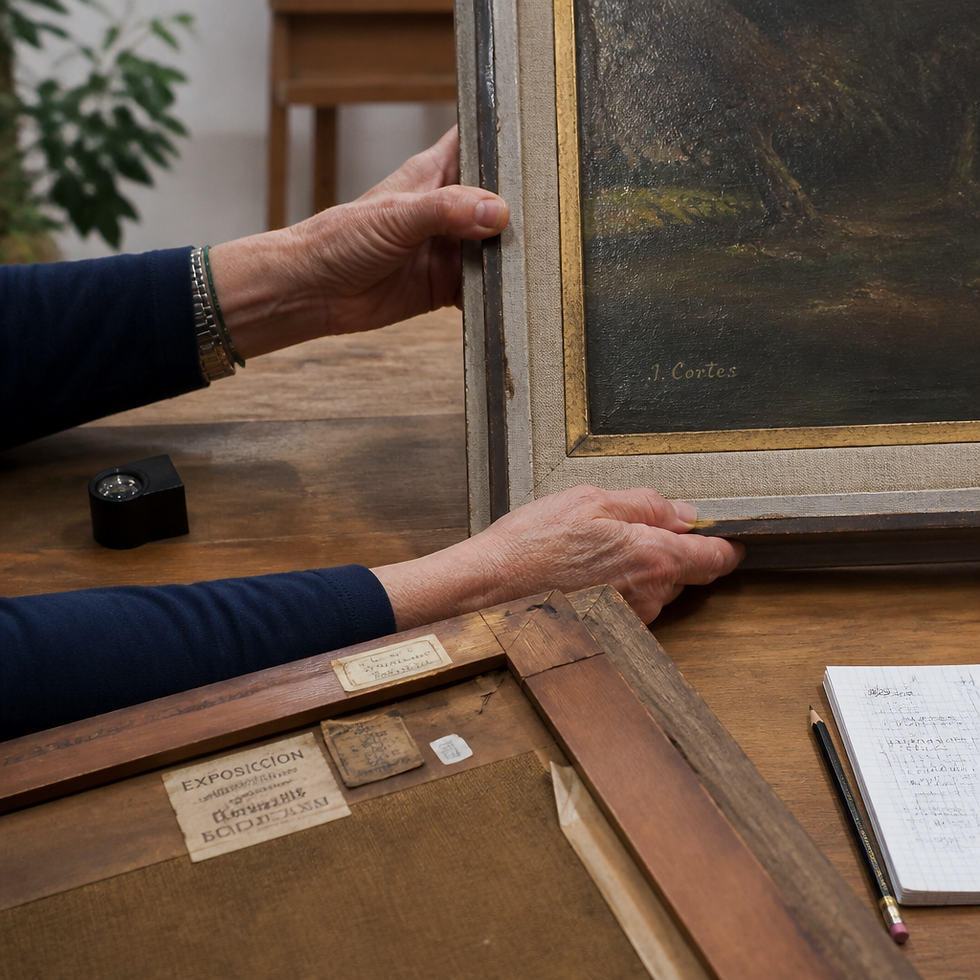
Check for Marks or Labels: These can add value or help identify the piece.
Write a Short History: Include where and when you acquired it, any previous owners, or exhibitions.
Be Honest About Condition: Note any scratches, repairs, or fading.
Following these tips improves the accuracy of your appraisal and speeds up the process.

How to Use Your Online Art Appraisal Report
Once you receive your appraisal report, you can use it in several ways:
Insurance: Provide proof of value to your insurance company.
Selling: Set a fair price based on expert advice.
Estate Planning: Include accurate values in wills or inheritance documents.
Personal Knowledge: Understand the significance and worth of your collection.
Remember, an art appraisal is a snapshot in time. Market values can change, so consider updating your appraisal every few years.
By following these online art valuation steps, you make the process straightforward and effective. The online art appraisal process is now accessible to everyone. Whether you want to sell, insure, or simply know the value of your treasures, this method saves time and brings expert knowledge to your door.
Start today by gathering your information and photos. Your art deserves to be valued properly, and now you have the tools to do it quickly and confidently.


Comments