
Art Market Rebounds in 2026 as Auction Sales Surge to Record Highs

The global art market has snapped back in 2026. After two weaker years, major auction sales have surged, trophy works are drawing aggressive bids, and confidence has returned to the top end of the market.
According to ArtTactic data cited in the market brief, auction sales at Christie’s, Sotheby’s, and Phillips rose by about 70% in the first half of 2026, reaching US$6.8 billion. Sotheby’s alone reported US$4.4 billion in global sales over the same period.
That is not a small rebound. It signals a reset.

The rebound is real, but it is not evenly spread
The headline number is strong. A 70% rise in first-half auction sales marks a sharp change from the caution seen in the prior two years.
During the weaker period, sellers often held back. They waited for better pricing. Buyers became more selective. Works without clear provenance, strong condition, or fresh-to-market appeal struggled. That kind of market favors discipline.
In 2026, the best material is moving again.
The recovery is strongest where supply is rare and quality is obvious. That includes:
Major works by established modern and contemporary artists
Exceptional antiques with strong provenance
Blue-chip postwar works
Important private collections
Estate material with long ownership history
Luxury collectibles in scarce condition
The market is not rewarding everything. Middle-tier works still need realistic estimates. Decorative pieces without scarcity remain harder to sell. Contemporary works by less established names face more scrutiny.
This is the key point: buyers are back, but they are not careless.
They are paying for rarity, name recognition, condition, provenance, and market depth. When those factors align, bidding can move fast.
Why auction sales are accelerating in 2026
Several forces are pushing the market higher at the same time. None explain the full rebound alone. Together, they create a strong auction cycle.
Sellers are bringing better works to market
Auction data can rise for two reasons. More buyers can bid, or better works can appear. In 2026, both are happening.
Owners who paused in 2024 and 2025 now see a better window. High-quality works that would have stayed private are returning to public sale. This matters because auction totals depend heavily on the top end.
One major painting can change an evening sale. A single-owner collection can lift a whole season. When several strong consignments arrive in the same half-year, totals rise quickly.
This explains part of the surge to US$6.8 billion.
Buyers want proven assets
Fine art sits in a different category from conventional financial holdings. It is illiquid. It has high transaction costs. It needs specialist knowledge. Yet it also offers something many collectors value: cultural status, scarcity, and long-term ownership appeal.
That does not make art a guaranteed investment. It does make rare works attractive to buyers who want assets beyond public markets.
The strongest demand sits with works that have a long record of institutional, scholarly, and auction recognition. Buyers want confidence. They want comparable sales. They want clear title. They want works that can travel, insure, and resell.
That is why art valuation, art authentication, art experts, and provenance research matter more in a rising market, not less.
Estimates are becoming more realistic
A rebound does not mean every consignor can ask for peak prices. Many strong sales in recovering markets come from disciplined estimates.
Low estimates can attract bidders. Competitive bidding can push prices higher. Overpriced works can stall, even in a hot market.
Auction houses know this. Sellers know it too. After two years of softer demand, pricing has become more careful. That helps restore confidence.
A work estimated too high sends the wrong signal. A work estimated well can create momentum.
Private wealth is still active
The upper end of the art market depends on global private wealth. That base remains large. Collectors, family offices, estates, and advisors continue to pursue museum-quality works and rare objects.
This demand is not only financial. It is personal. Buyers compete for works that complete collections, fill historical gaps, or carry cultural weight.
A trophy work is not easy to replace. That scarcity supports prices when quality is clear.

What record auction sales do and do not tell us
Auction headlines can be useful. They can also mislead.
A record sale tells us that the best work, in the right sale, with the right estimate, can still draw serious money. It does not prove that every related work has risen by the same amount.
This distinction matters for collectors and advisors.
A public auction result is a data point. It must be read in context. Relevant questions include:
Was the work fresh to market?
Was there a guarantee or third-party backing?
How many bidders competed after the reserve?
Was the price driven by two determined buyers?
Were condition issues disclosed?
Did provenance add a premium?
Was the auction result aligned with private market demand?
A strong number can reset expectations. It can also sit above the true market if bidding was unusually competitive.
That is why appraisals cannot rely on headline prices alone. A serious valuation looks at comparable works, size, date, medium, subject, condition, exhibition history, literature, and ownership history.
The same rule applies across collecting categories. Contemporary art, antiques, design objects, and luxury collectibles each have their own pricing logic. A record in one part of the market does not automatically lift all boats.
The top end is leading the recovery
The 2026 rebound is being led by exceptional works. That is common in recovering art markets.
Top-tier pieces recover first because buyers understand them. There is more data. There is more confidence. There is often deeper international demand.
The middle market moves later, and more unevenly.
This creates a split market:
Strongest demand
More selective demand
Highest risk
Masterworks, fresh estate material, rare antiques, blue-chip contemporary works, objects with strong provenance
Overexposed artists, works bought recently at high prices, pieces with condition concerns, material without clear attribution
Speculative names, weak provenance, unclear title, restored works with limited documentation
This split is healthy. It shows buyers are making distinctions. The market is not simply chasing volume.
For collectors, that means documentation carries real value. A work with a clean paper trail can stand apart. A work with unclear history can face more questions, even if it looks impressive.
Provenance and authentication now carry a pricing premium
A booming market can tempt sellers to move quickly. That can be a mistake.
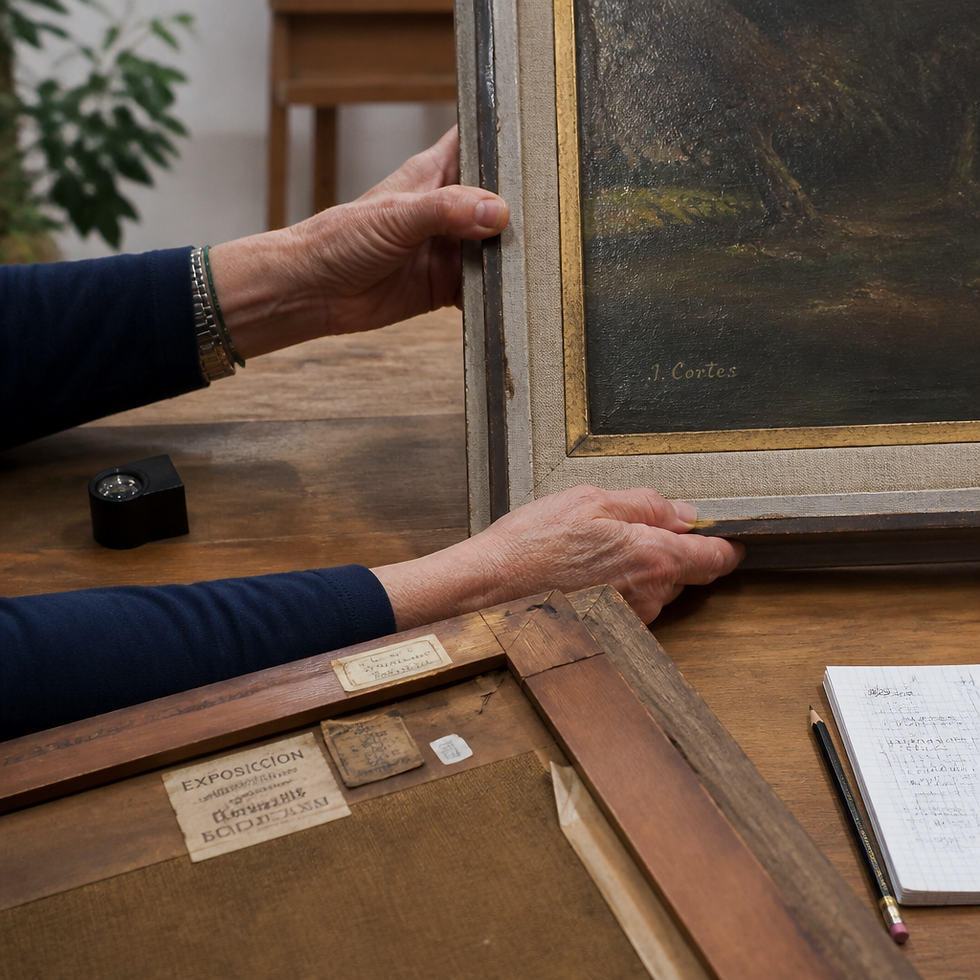
When prices rise, scrutiny rises too. Buyers want proof. Advisors ask sharper questions. Auction houses review ownership history, condition, and authenticity before accepting important consignments.
A strong file can support value. It can include:
Invoices and sale records
Estate documents
Exhibition history
Literature references
Conservation reports
Expert opinions
Import and export records
Clear ownership transfers
The absence of documents does not always mean a work is weak. Many older objects have gaps. But gaps need explanation.
For antiques and historical works, attribution is especially important. A small change in attribution can create a major change in value. “By,” “attributed to,” “studio of,” “circle of,” and “after” are not minor wording differences. They define market category.
For contemporary art, authenticity may depend on archives, certificates, studio records, or recognized committees. For luxury collectibles, condition and originality often carry the premium.
In a strong auction year, buyers may move quickly. Due diligence still matters. A fast bid without proper review can become an expensive problem.

What collectors should watch for in the next auction cycles
The second half of 2026 will show whether the rebound has depth. If strong sell-through rates continue and estimates remain disciplined, the market can hold momentum.
A few signals deserve close attention.
Sell-through rates
High totals matter less if many lots fail. A healthy auction has solid results across price levels, not only one or two trophy lots.
Sell-through rates by value and by lot count help show real demand.
Estimate discipline
If estimates rise too fast, buyers may pull back. This happened in past cycles. Sellers see strong headlines, then expect too much too soon.
The best auction houses manage this tension carefully.
Bidding depth
A work that sells to one bidder near the reserve tells a different story from a work pursued by five bidders. Bidding depth shows confidence.
Public reports do not always reveal full bidding detail. Still, auction room behavior and post-sale analysis can help.
Category spread
A broad recovery would include modern art, contemporary art, antiques, design, works on paper, and luxury collectibles. A narrow recovery would stay concentrated in trophy evening sales.
At the moment, the strongest energy sits at the high end. The wider market is improving, but still selective.
Private sale activity
Auction totals tell only part of the story. Private sales can be substantial, especially for works that sellers do not want exposed publicly.
If private transactions rise alongside auction sales, confidence is broader than the public numbers show.
Art investment needs more discipline in a hotter market
A strong market can create pressure to act. That pressure is risky.
Art can preserve wealth, deepen a collection, and carry long-term cultural value. It can also underperform, become hard to sell, or face attribution and condition issues. Transaction fees, insurance, storage, tax, and conservation all affect returns.
This content is informational only. It is not financial, legal, tax, or investment advice.
For anyone tracking art market 2026, art auctions records, art investments, and art market trends, the same rule applies: buy quality, verify carefully, and avoid being led by headlines alone.
A disciplined acquisition process should include:
Clear collecting goals
Know whether the priority is aesthetic, historical, financial, or legacy-driven.
Independent valuation
Do not rely only on the seller’s estimate.
Authentication review
Confirm that the work fits accepted scholarship and market standards.
Provenance check
Look for ownership gaps, title concerns, and export issues.
Condition assessment
Restoration, fading, relining, repairs, or replaced parts can affect value.
Exit thinking
Even if the plan is long-term ownership, understand resale demand.
Strong markets reward preparation. They punish rushed decisions.
The 2026 boom is a confidence test
The 2026 auction rebound is not just about bigger numbers. It is about renewed confidence after a slower period.
The reported US$6.8 billion in first-half sales across the major auction houses shows that capital is back in the room. Sotheby’s US$4.4 billion global total adds weight to the trend. Exceptional works are still capable of extraordinary prices.
Yet the market has not returned to blind buying. The most informed buyers are selective. They want quality, scarcity, condition, authenticity, and provenance. They are willing to compete, but not for everything.
That makes 2026 a strong year for sellers with important works. It also makes it a demanding year for buyers who need real expertise.
For support with antiques, valuation, provenance research, and collecting decisions, visit The Antique Cabinet.
FAQ
Why did the art market rebound in 2026?
The rebound came from stronger consignments, renewed buyer confidence, and demand for rare, high-quality works. Better pricing discipline also helped bring bidders back.
Are auction records a reliable guide to value?
They are useful, but they need context. A record price may reflect rarity, provenance, condition, bidding competition, or a unique sale setting. Comparable works must be reviewed carefully.
Is art a safe investment in 2026?
Art is not a guaranteed investment. It can hold or increase value, but it is illiquid and carries costs and risks. Authentication, provenance, condition, and market depth matter.
What types of works are performing best?
The strongest demand is for exceptional works with clear authorship, strong provenance, good condition, and scarcity. Trophy modern and contemporary works, rare antiques, and important estate pieces are leading the market.
Should sellers wait or consign now?
Owners of important works may find 2026 favorable, but timing depends on category, quality, estimate strategy, and market depth. A professional valuation should come before any sale decision.

The takeaway
The art market is booming again in 2026, but the rebound is selective. The best works are setting the pace. Serious buyers are paying for rarity, documentation, and confidence.
The lesson is simple: strong markets do not replace due diligence. They make it more valuable.


Comments