
Online Art Appraisal: How to Find What Your Artwork Is Worth

Updated: Sep 9
A painting in the attic, a signed print from a relative’s estate, or a sculpture bought years ago can raise the same question: how much is my artwork worth? The answer is rarely obvious from a signature or a quick internet search. Value depends on who made it, when it was made, its condition, its history, and what similar works have sold for in the current market.
Getting an art appraisal online can be a practical first step. A qualified art appraisers can review photographs, measurements, signatures, provenance, and market data to provide a professional opinion of value. While not every artwork can be fully authenticated remotely, many pieces can be researched and evaluated well enough to guide selling, insurance, estate planning, or simple curiosity.
How online art appraisal works
An online art appraisal starts with documentation. Instead of bringing the object to an appraiser in person, the owner submits photographs and details through a website or by email. The art appraisers review the information, researches the artist or maker, studies comparable sales, and prepares a valuation based on the purpose of the art appraisal.
That process often includes:
Reviewing the artwork’s images, size, medium, and visible condition
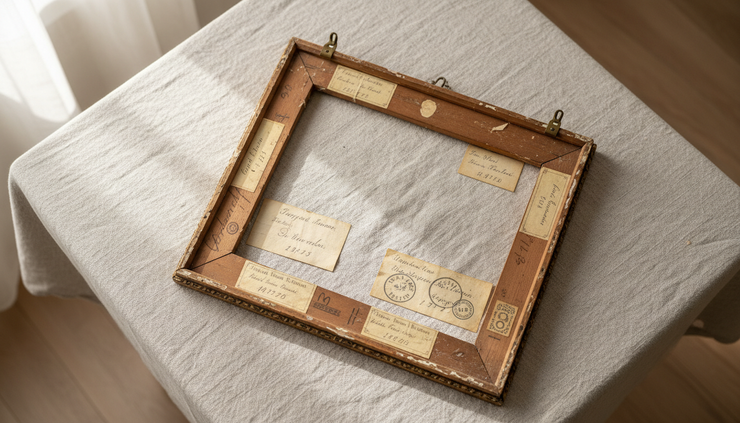
Looking at the signature, labels, stamps, inscriptions, or edition numbers
Assessing provenance, such as invoices, gallery labels, receipts, or estate records
Comparing the work with auction records and private sale data when available
Considering the likely market, such as auction, retail gallery, dealer, or estate sale
Providing an opinion of value, often tied to fair market value or replacement value
A professional art appraisal online does not rely on guesswork from a single photo. The more complete the submission, the more reliable the opinion can be.
What an online appraisal can and cannot do
Online art appraisal is especially useful for paintings, prints, drawings, sculpture, decorative art, and many antique objects. It can help identify an artist, estimate a date, explain a medium, and give a value range based on current market evidence.
There are limits. Some works require physical inspection, scientific testing, conservation review, or formal authentication by a recognized expert or artist foundation. An online art appraisers can often tell when those next steps are needed, but should not guarantee authenticity from images alone.
How to get an art appraisal online
If you are wondering how to get an art appraisal online, the best approach is to gather clear information before you submit the artwork. A careful submission saves time and reduces follow-up questions.
Start with the basics:
Artist name, if known
Title, if known
Medium, such as oil on canvas, watercolor, bronze, lithograph, or mixed media
Dimensions, not including the frame unless requested separately
Signature location and any inscriptions
Condition issues, including tears, stains, craquelure, fading, chips, or repairs
Ownership history
Any paperwork, such as receipts, appraisals, gallery labels, certificates, or estate documents
If the artwork was inherited, include what is known about the previous owner and where the piece may have been acquired. Even a family story can help guide research, though it should be supported by documentation when possible.
Where can I get my art appraised online?
People often search where can I get my art appraised online after finding an unfamiliar painting or preparing an estate inventory. Look for an appraisal service that explains its process clearly, asks for detailed images, and avoids promises that sound too certain.
A credible appraiser should be careful with language. For example, “attributed to,” “after,” “circle of,” and “school of” are not interchangeable. These terms can affect value significantly. A painting by a listed artist may have a very different market value than a painting in the style of that artist.
What determines how much your artwork is worth
Art value is not based on beauty alone. A work may be visually appealing and still have a modest market value. Another piece may look simple but command strong prices because of authorship, rarity, condition, or demand.
The main factors include the following.
Artist attribution
Who made the artwork is one of the largest value drivers. A signed painting by a recognized artist with strong auction results can be worth much more than an unsigned decorative work.
Still, a signature is only one clue. Signatures can be added later, misread, forged, or shared by multiple artists with similar names. Appraisers compare the signature with known examples and study the work’s style, materials, subject, and period.
Provenance
Provenance is the ownership history of an artwork. Strong provenance can support authenticity and value. Useful records may include:
Gallery invoices
Auction receipts
Exhibition catalogs
Estate documents
Letters or photographs showing the work in a known collection
Labels on the back of a frame or stretcher
Provenance does not automatically prove authenticity, but it can be a major part of the evidence.
Condition
Condition affects value across nearly all art categories. A painting with heavy overpainting, canvas tears, water damage, or flaking paint may sell for far less than a similar work in stable condition.
For prints, fading, foxing, mat burn, trimming, and paper damage matter. For sculpture, appraisers look at patina, casting quality, breaks, repairs, and missing elements.
Medium and materials
An original oil painting usually differs in value from a print, poster, or reproduction, even when the subject is similar. Works on canvas, panel, paper, bronze, ceramic, and mixed media all have different markets.
For prints, the type matters. A hand-pulled lithograph, etching, woodcut, screenprint, or giclée may each be valued differently. Edition size, numbering, artist signature, and publisher can also affect the result.
Size, subject, and quality
Dimensions matter, but bigger is not always better. Some collectors prefer intimate works, while others seek large exhibition-scale pieces.
Subject can also influence value. For some artists, landscapes perform best. For others, portraits, abstracts, city scenes, marine works, or still lifes bring stronger prices. Quality within the artist’s body of work matters as well.
Auction records and comparable sales
Appraisers research comparable sales, often called “comps.” These are past sales of similar works by the same artist or closely related artists.
Good comparables consider:
Same artist
Similar medium
Similar period
Similar size
Similar subject
Similar condition
Similar market venue
A high asking price online is not the same as a sold price. Serious valuation depends on what buyers have actually paid.

What photographs to provide for online art appraisal for paintings and other art
For online art appraisal for paintings, photographs are often the most important part of the submission. Blurry, dark, cropped, or filtered images can make it hard to evaluate the work.
Provide clear photos in natural light when possible. Avoid glare, heavy shadows, and color filters. Do not photograph through reflective glass unless the work cannot be safely removed from the frame.
For paintings, drawings, and prints, include:
Full front view
Full back view
Close-up of the signature
Close-up of any label, stamp, inscription, or gallery tag
Detail images of the surface
Photos of damage, repairs, stains, tears, or paint loss
Frame images, if the frame appears original or important
For sculpture, include:
Front, back, and both side views
Close-up of signature, foundry mark, edition number, or stamp
Base and underside
Detail images of patina, casting, repairs, or breaks
A scale reference, such as a ruler, if helpful
Good photographs do not need to be artistic. They need to be honest and useful.
Include measurements correctly
Measurements should be exact. For two-dimensional works, measure the artwork itself, then the frame separately if needed.
Use height first, then width. For example:
Artwork type | Measurements to provide |
Painting | Canvas or panel height and width, plus framed size |
Print or drawing | Sheet size, image size, and framed size if applicable |
Sculpture | Height, width, depth, and base size |
Multi-part work | Measurements for each part and the full installed size |
Small differences in size can affect comparisons, especially for prints and editions.
How art appraisers estimate fair market value
Fair market value is commonly used for estate, donation, and resale contexts. It generally refers to the price a willing buyer and willing seller might agree on when neither is under pressure and both know the relevant facts.
Insurance replacement value is different. It may reflect the cost to replace a similar item through a retail source. This value can be higher than fair market value.
An art appraiser chooses the right valuation type based on the purpose of the appraisal. Selling an inherited painting, dividing an estate, insuring a collection, and documenting a charitable donation may require different approaches.
A good art appraisals are not just a number. It is a reasoned opinion based on evidence, condition, attribution, and market context.
When asking how to find the value of a painting, be clear about your goal. Do you want to sell it? Insure it? Settle an estate? Learn whether it is worth further research? The answer shapes the appraisal.
When authentication or physical inspection may be needed
Some artworks need more than an online review. This does not mean the piece has no value. It means the question requires stronger evidence.
A physical inspection may be needed when:
The artwork may be by a high-value or frequently forged artist
The signature does not match known examples
The materials appear inconsistent with the claimed date
Condition issues are difficult to judge from photos
The work may need ultraviolet examination, x-ray, pigment analysis, or conservation review
A formal certificate of authenticity is required for sale
Authentication is separate from appraisal. An appraiser may offer an opinion on attribution, but recognized authentication may need to come from an artist’s estate, foundation, catalogue raisonné committee, museum specialist, or another accepted authority in that field.
For high-value works, auction houses, insurers, attorneys, and buyers may ask for more documentation before accepting a valuation.
Common mistakes that lead to inaccurate values
A few common errors can make artwork seem more or less valuable than it really is.
One mistake is relying on active listings. Asking prices on marketplaces can be unrealistic. Sold records carry more weight.
Another mistake is assuming every print is a poster or every poster is worthless. Some prints are original works in limited editions. Some exhibition posters also have collector interest, though they are valued differently from original art.
A third mistake is focusing only on the signature. Art Appraisers study the whole object: surface, materials, age, stretcher construction, paper type, marks, subject, and quality.
Estate owners should also avoid cleaning or restoring art before appraisal. Well-meant cleaning can damage surfaces and reduce value. If conservation is needed, an appraiser or conservator can guide the next step.

FAQ about online art appraisals
Can an online appraiser tell me if my painting is original?
Often, an appraiser can identify whether a work appears to be an original painting, print, reproduction, or later copy based on images. For high-value or disputed works, physical inspection or formal authentication may be needed.
How accurate is an online art antique appraisal?
Accuracy depends on the quality of the information submitted and the nature of the artwork. Clear photos, measurements, provenance, and condition details help the appraiser provide a stronger opinion.
Do I need a signature to get artwork appraised?
No. Unsigned artworks can still be appraised. The appraiser will look at style, subject, materials, construction, age, provenance, and comparable sales when possible.
What is the difference between appraisal and authentication?
An appraisal gives an opinion of value. Authentication addresses whether the work is genuinely by a specific artist. Some projects require both, but they are not the same service.
Should I appraise inherited artwork before selling it?
Yes, especially if the artist, age, or origin is unknown. An appraisal can help avoid underpricing, support estate records, and identify pieces that need further research.
Take the next step with a professional art appraisal online
If you own a painting, sculpture, print, drawing, or other artwork and want a clearer sense of value, a professional review can help you separate clues from assumptions. The strongest appraisals consider attribution, provenance, condition, medium, dimensions, and real market evidence.
To begin, gather clear photographs, measurements, and any documents connected to the piece. Then request a careful, evidence-based appraisal from a qualified source.
Request a professional appraisal from The Antique Cabinet and learn what your artwork may be worth with guidance grounded in research, not guesswork.

Comments